.avif)
.avif)
As the crisp autumn air settles in across Canada, homeowners know that freezing temperatures, heavy snow, and biting winds are just around the corner. A harsh winter can take a massive toll on your home’s exterior, leading to uncomfortable drafts, skyrocketing heating bills, and costly structural damage.
The secret to a stress-free winter? Preparation. At Alya Exterior, we’ve put together this ultimate guide to help you winterize your home’s exterior before the first major snowfall hits.
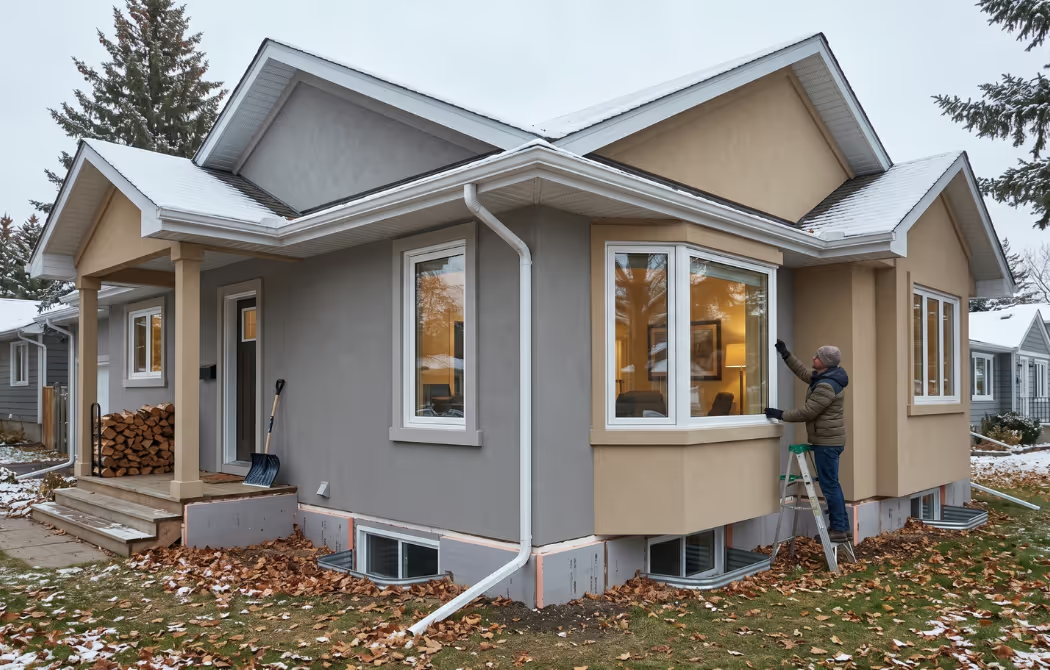
1. Inspect and Upgrade Your Windows
Windows are often the biggest culprits for heat loss in a home. When the winter wind starts howling, even the smallest gap can make your heating system work overtime.
- Check for Drafts: Walk around your home and feel for cold air around window frames.
- Caulking and Weatherstripping: Replace any cracked or peeling caulking around your window exteriors. Good weatherstripping is your first line of defense against freezing drafts.
- Consider an Upgrade: If your windows are old and single-pane, winterizing might only be a band-aid solution. Upgrading to energy-efficient windows—or adding a stunning, well-insulated Bay Window to invite more natural winter light into your living room—can dramatically improve both your home’s comfort and curb appeal.
2. Evaluate Your Exterior Insulation (EIFS & Stucco)
Your home’s exterior wall is its winter coat. If that coat has holes, you are going to feel the chill. Exterior Insulation and Finish Systems (EIFS) are highly popular in Canada because they wrap your home in a continuous layer of insulation, eliminating thermal bridges.
- Look for Cracks: Inspect your stucco or EIFS exterior for any hairline cracks, woodpecker holes, or impact damage.
- Seal the Moisture Out: In winter, water can enter these small cracks, freeze, and expand, causing significant damage to the facade. Having professionals repair these imperfections in the fall ensures your insulation works at maximum efficiency, keeping your heating bills low all season long.
3. Clean Your Gutters and Downspouts
It might seem like a simple chore, but clogged gutters are a leading cause of winter exterior damage.
- Prevent Ice Dams: When leaves and debris block water flow, melting snow can back up under your roofline and freeze, creating heavy ice dams. These can damage your roof, gutters, and eventually lead to water leaking into your exterior walls.
- Direct Water Away: Ensure downspouts extend at least 1.5 to 2 meters away from your home’s foundation to prevent water from pooling and freezing near the base of your house.
4. Check Your Doors and Entrances
Just like windows, your exterior doors need a pre-winter checkup.
- Door Sweeps: Install a heavy-duty door sweep at the bottom of your main entryways.
- Frame Insulation: Check the expanding foam or caulking around the door frame. If you can see daylight around the edges of a closed door, it is time to re-seal.
Don't Wait Until It's Freezing
Winterizing your home’s exterior is an investment that pays off immediately in comfort and energy savings. While some tasks are easy DIYs, assessing the integrity of your EIFS cladding, stucco, or window installations requires a trained eye.
If you want to ensure your home is fully protected against the harsh Canadian winter, the experts at Alya Exterior are here to help. Contact us today for a professional exterior assessment and make sure your home is winter-ready!






.avif)
.avif)