.avif)
.avif)
Modern Exterior Systems Designed for Performance
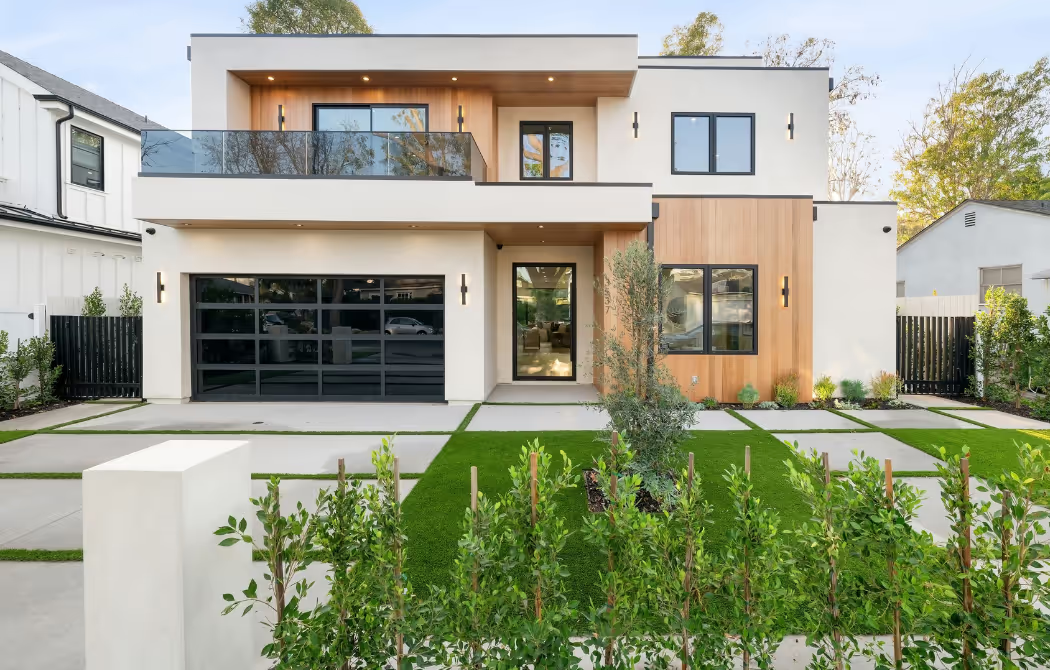
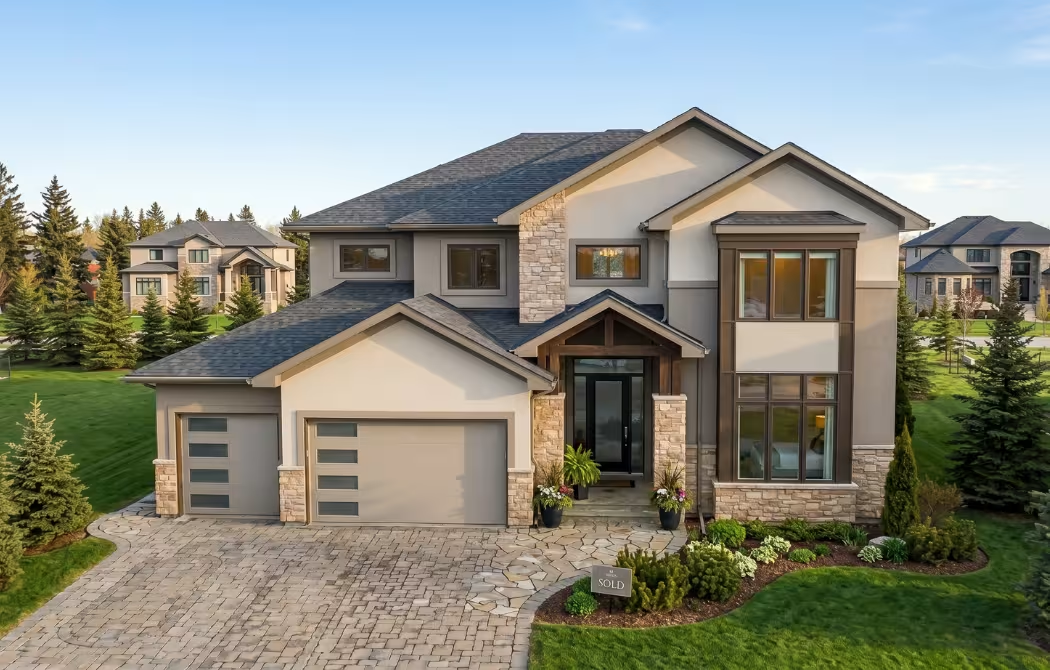
EIFS, or Exterior Insulation and Finish System, is a modern multi-layer exterior wall system designed to improve insulation, energy efficiency, moisture management, and long-term exterior durability. Widely used in both residential and commercial construction, EIFS systems are known for their clean architectural appearance, smooth finishes, and design flexibility.
The Integrated Wall Assembly
Unlike traditional exterior finishes that function primarily as surface coatings, EIFS operates as a complete exterior assembly. A typical system includes insulation boards, reinforced base coats, fiberglass mesh, and a protective finish coat that work together as an integrated wall system.
Continuous Exterior Insulation
One of the main advantages of EIFS is continuous exterior insulation. By reducing thermal bridging throughout the wall assembly, EIFS systems can help improve overall energy efficiency and contribute to more consistent indoor temperatures throughout the year.
For homes in Ontario, where seasonal temperature fluctuations can be significant, insulation performance plays an important role in long-term comfort and efficiency.
EIFS vs. Traditional Stucco
Although EIFS and traditional stucco are often grouped together, they are fundamentally different systems. Traditional stucco is generally a cement-based finish applied over layered substrates, while EIFS is an insulated exterior wall assembly engineered for both performance and architectural flexibility.
Key Architectural Advantages
EIFS systems typically allow for:
- Cleaner modern finishes
- Continuous exterior insulation
- Greater design flexibility
- Refined architectural detailing
- Seamless mouldings and transitions
Both systems can perform well when installed correctly using proper materials and detailing practices.
Moisture Management and Installation Quality
Modern EIFS systems are designed with drainage and moisture management in mind. Proper flashing integration, sealing details, substrate preparation, and disciplined installation all play a critical role in long-term system performance.
Like any exterior assembly, the quality of installation is one of the biggest factors in durability and reliability over time.
EIFS in Modern Exterior Renovations
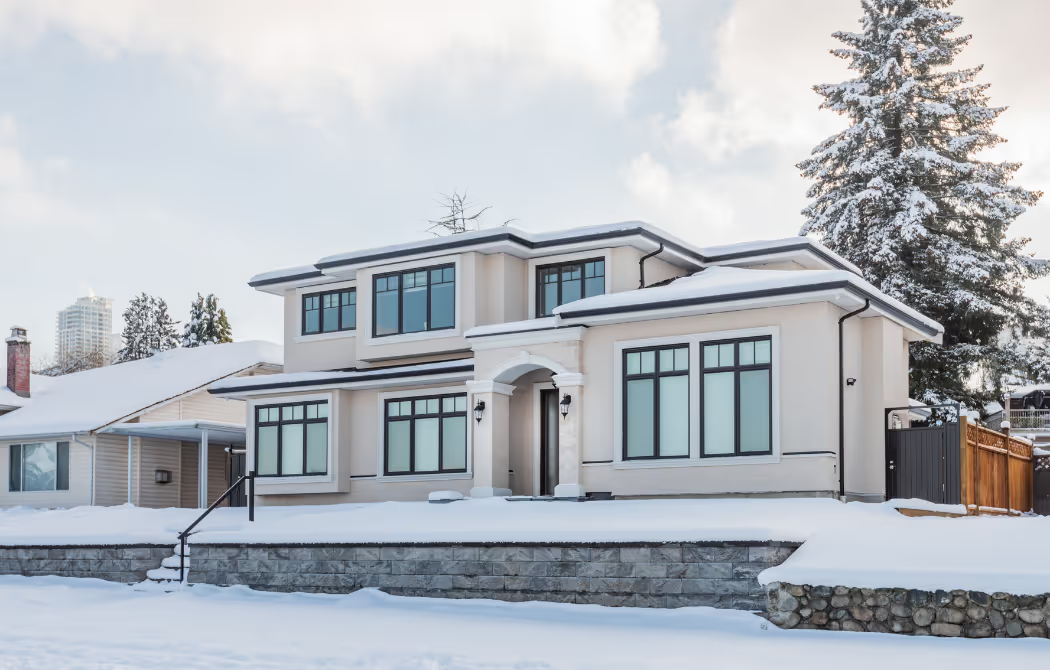
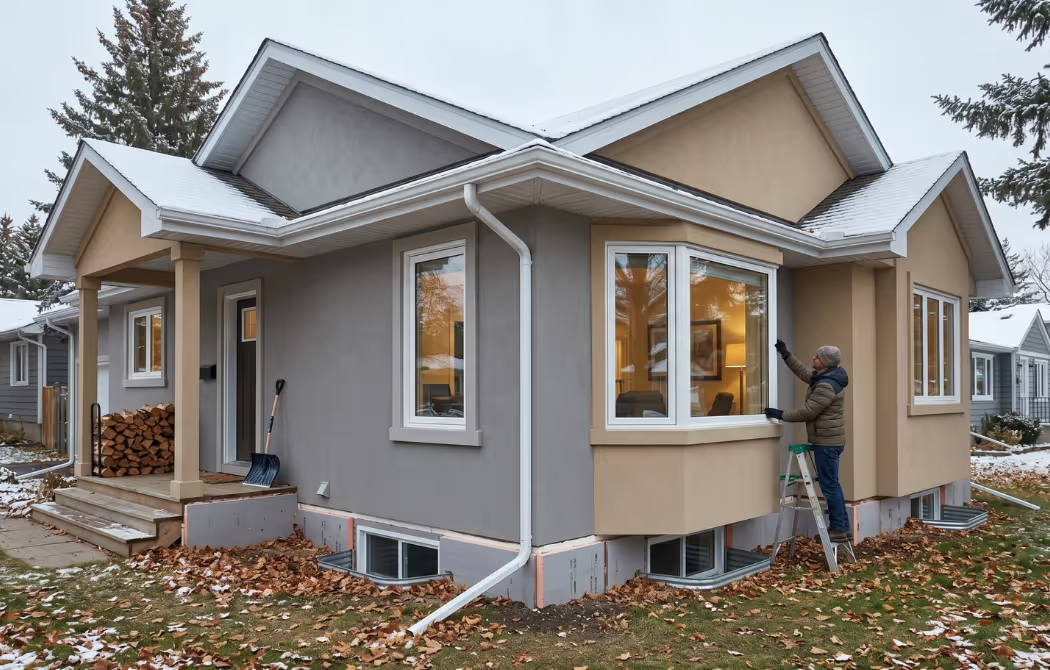
EIFS systems are commonly used to modernize older homes by replacing outdated siding, refinishing bay windows, integrating decorative mouldings, and creating cleaner architectural lines. Their flexibility allows for both modern and transitional exterior designs while maintaining a cohesive and refined appearance.


.avif)
.avif)